Equipod - An unbiased Meeting Space
An initiative leveraging technology to promote unbiased practices
Timeline
2 weeks (2024)
Tools
Figma
Role
UX research, UI, Idealogy
Team
1 UX Designer, 1 UX Lead
OVERVIEW
Equipod is a concept project that explores how Generative AI can reduce bias in collaborative environments by creating a more inclusive and balanced meeting experience.
The goal was to design a system where all participants feel equally heard, regardless of identity, hierarchy, or communication style.
PROBLEM
In many collaborative environments:
Conversations are influenced by hierarchy and identity
Certain voices dominate discussions
Cognitive bias affects decision-making
This results in unequal participation, reduced diversity of ideas and less effective collaboration
MY ROLE
UX Researcher & UI Designer
Conducted research on Gen AI and collaborative systems
Defined concept, user scenarios, and workflows
Designed wireframes and interaction flows in Figma
Contributed to ideation and system design
TIMELINE
The process involves 2 phases:
Firstly, acquainting ourselves with the fundamental concepts of Gen AI.
Coursera - Generative AI for Everyone
Workshop by a Subject Matter Expert
Secondly, Ideation and wireframing of the concept with UX
Week 1
Planning
Week 2
Research
Ideation
wireframe/Iteration
Results
Workshop
Phase 1 - RESEARCH
Use of Artificial Intelligence
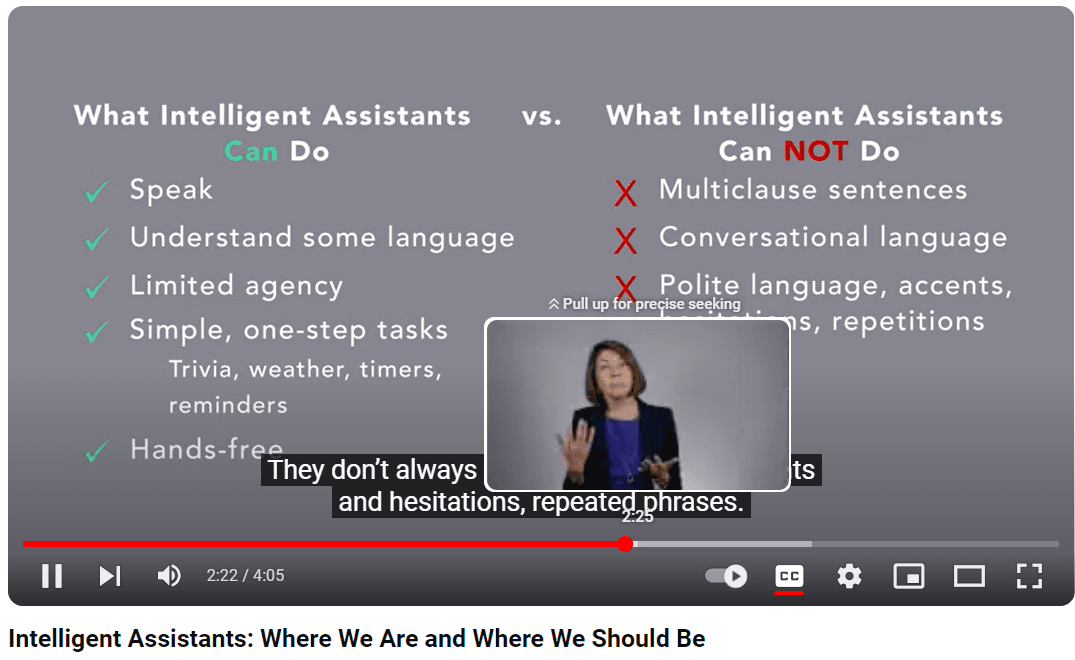
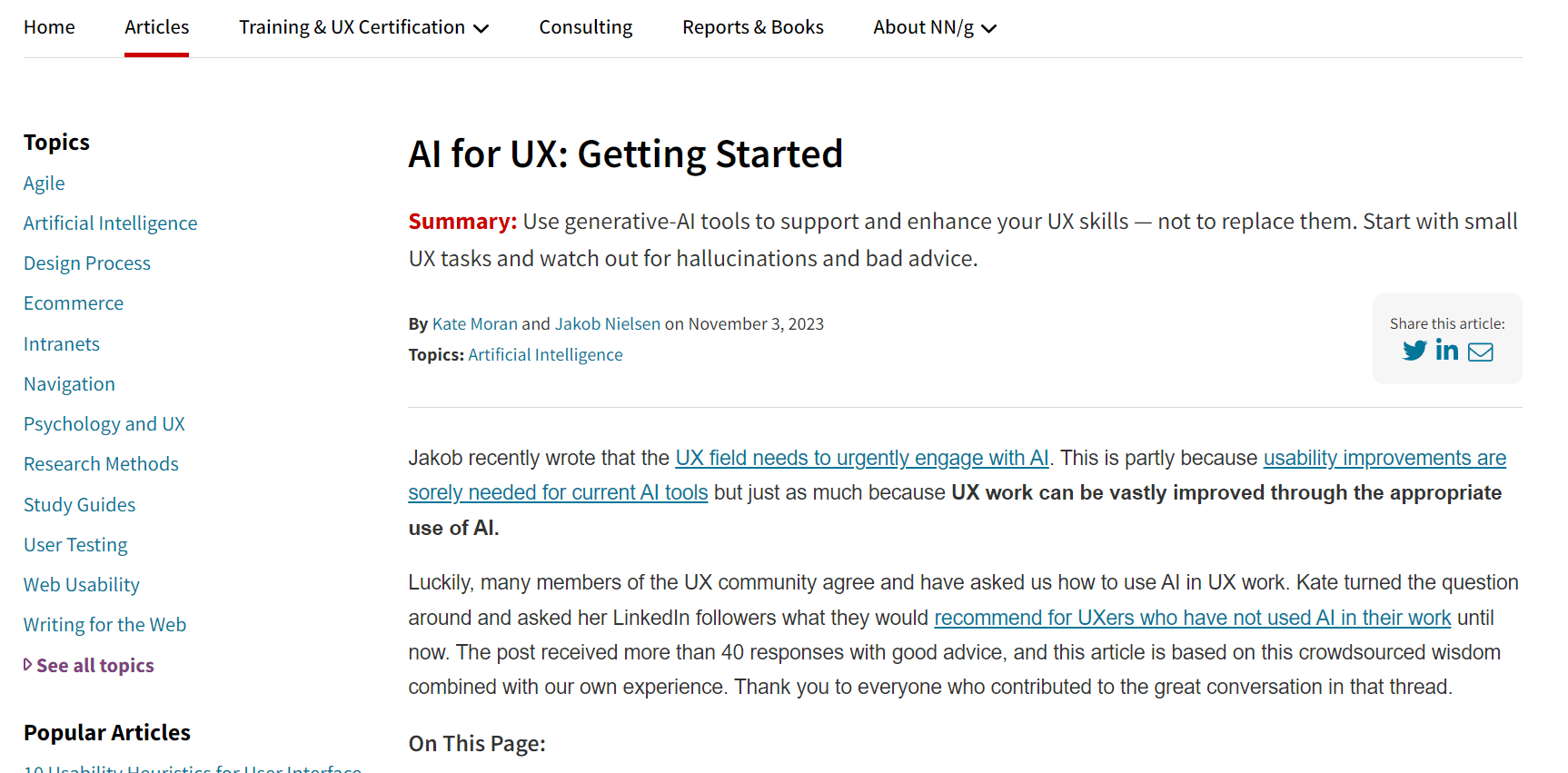
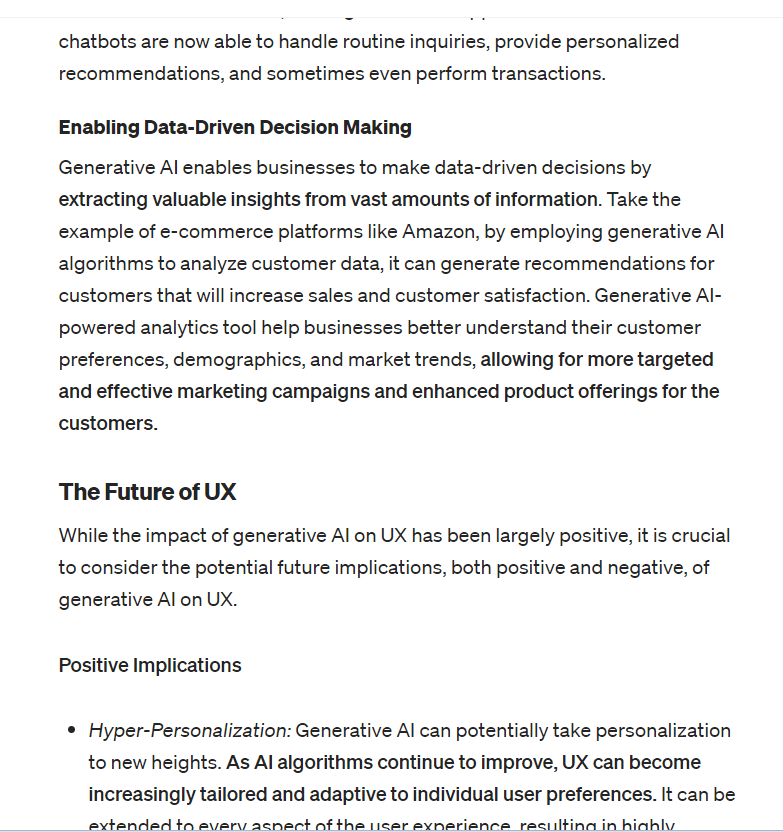
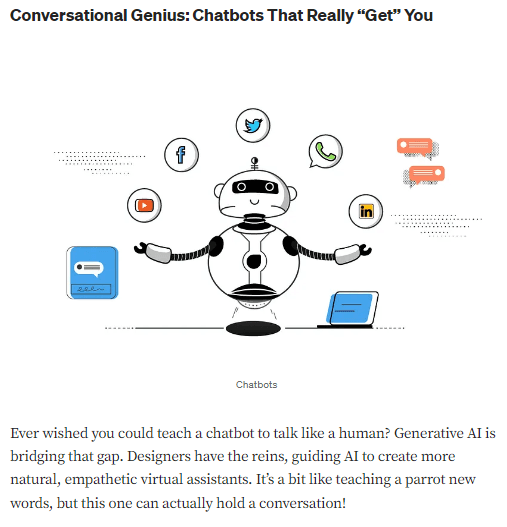
We've delved into numerous resources (articles, research papers, workshop, course) to gain a comprehensive understanding of Gen AI, exploring its definitions, diverse use cases, and strategic applications to enhance the field of UX Design.

Insights
Recognizing that even in the realm of technology, users may find tasks challenging. Applying Gen AI in UX requires simplicity and an approachable interface to ensure that users, regardless of their familiarity with technology, can seamlessly engage with and benefit from the solution.
Resources as reference

Insights
With the existing ideas of chat bot, document summarize and LLM models, we sparked the idea of putting the features together in enhancing an unbiased room feature in the meeting applications.
Phase 2 - IDEATION
Use of Artificial Intelligence
To ideate the model of Unbiased meet feature “Equipod”, we came up with user research and came up with a sketch model.
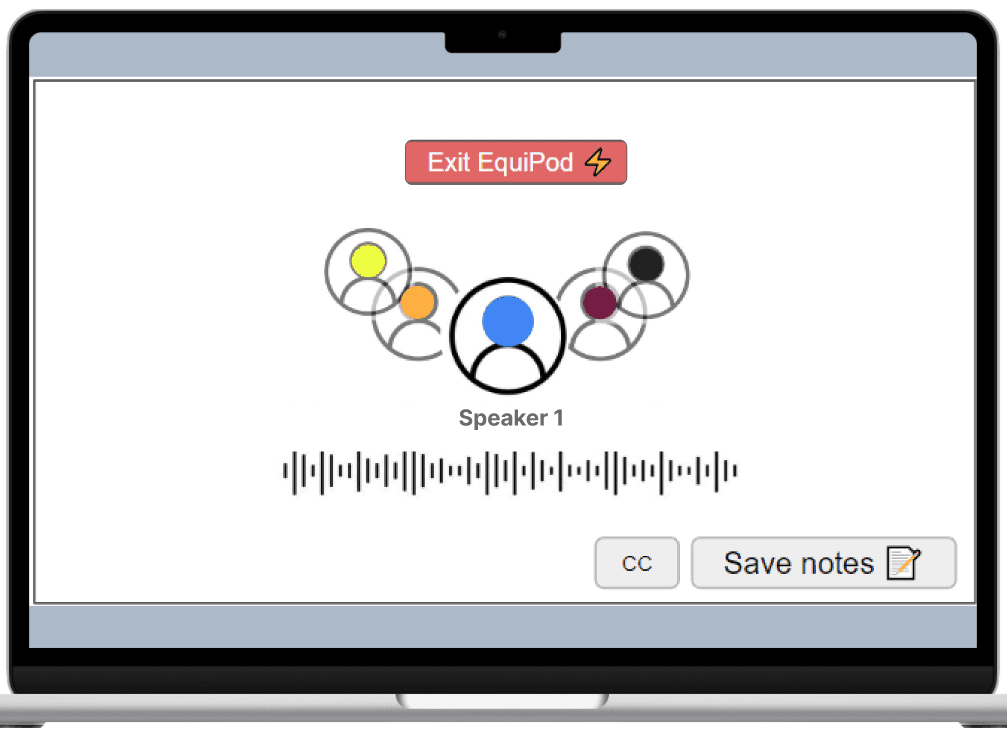
In most meeting scenarios there is always a cognitive bias, be it intentional or not. To overcome the issue, we are masking the voice and identity of the speaker. Thereby, introducing the feature of “Equipod”.
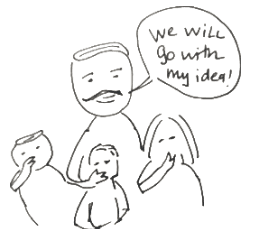
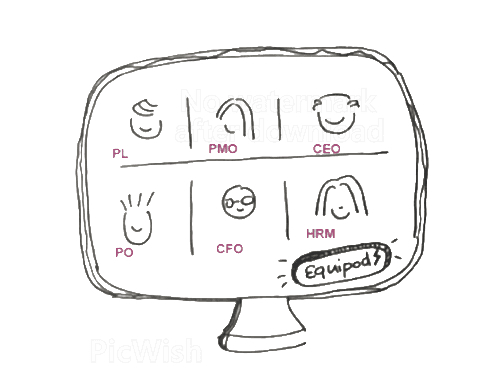
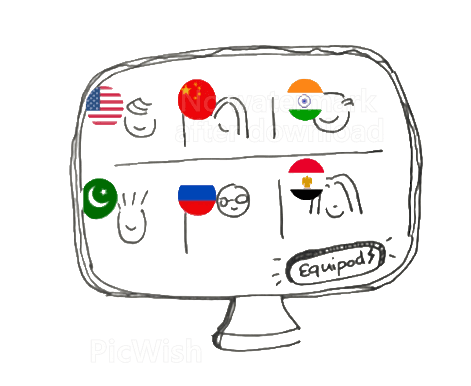
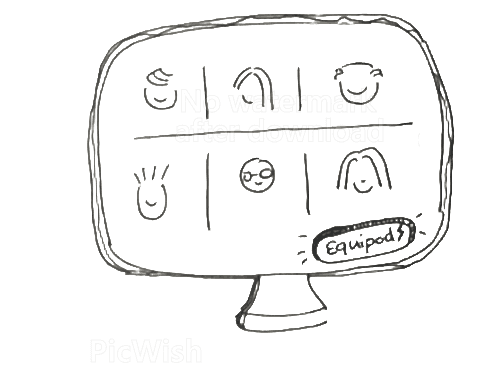
The focus point of the POD is;
To amplify the voices using AI model and assign voices for speakers in a different tone.
To mask the user identity providing roll number as user ID.
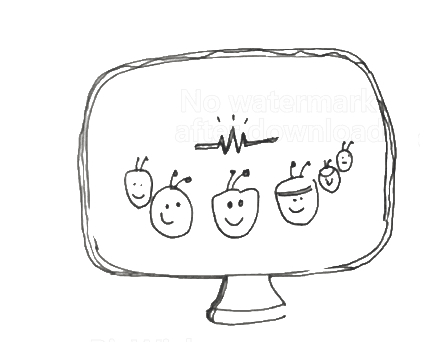

Add on focus points;
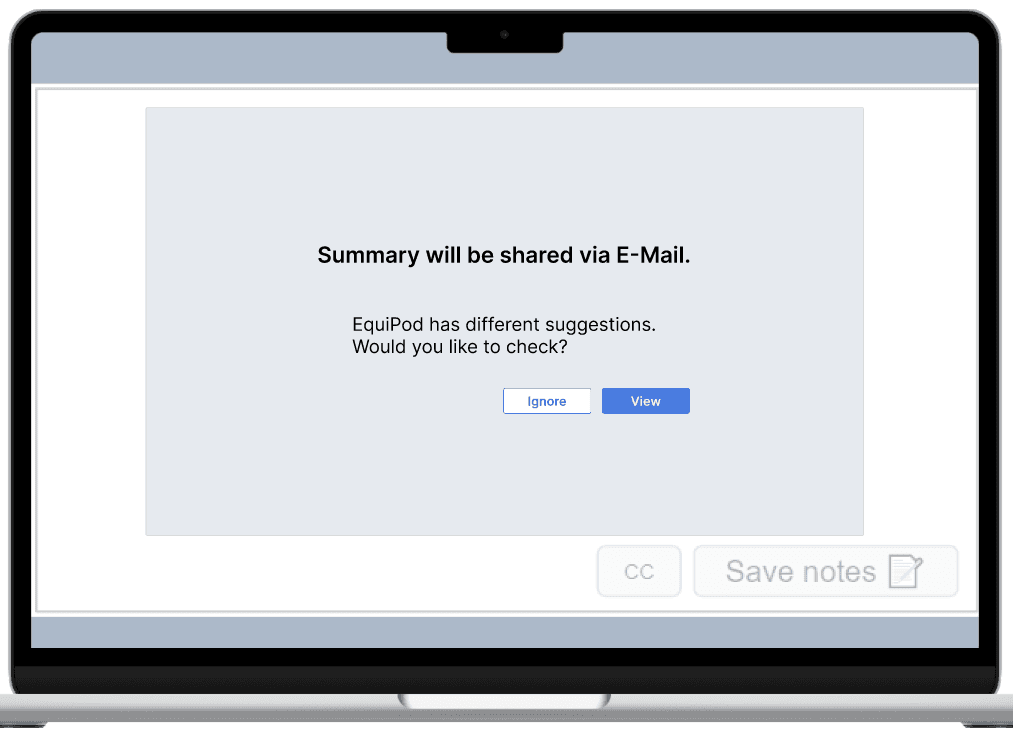
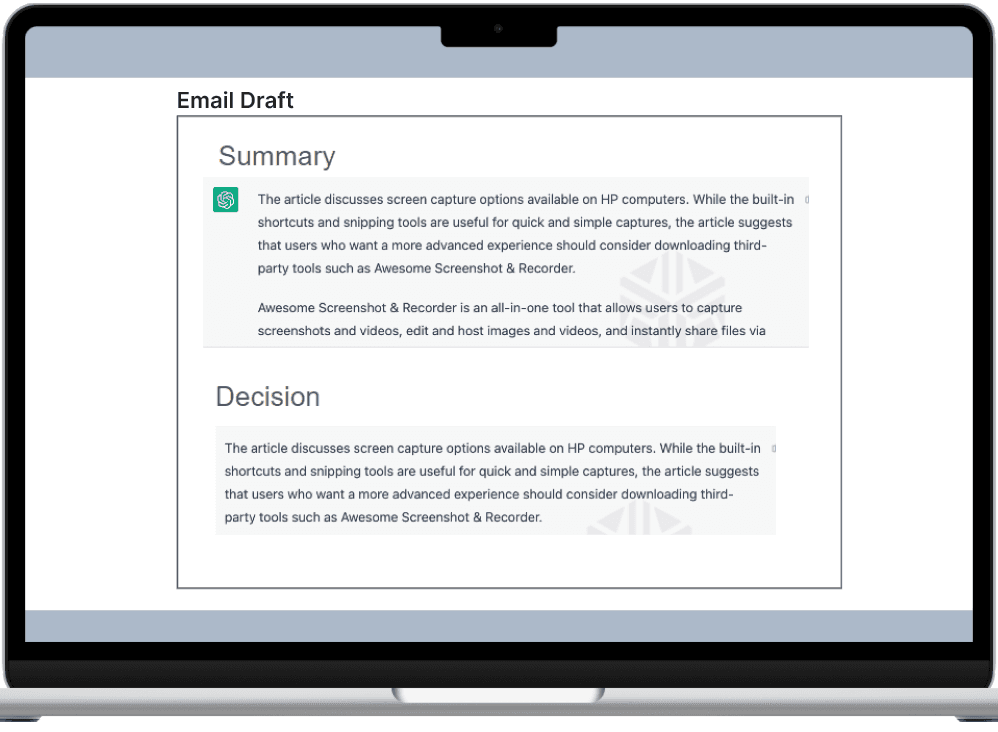
To summarize the meeting content and decision for future reference.
Option to save notes of speaker captions and their own.
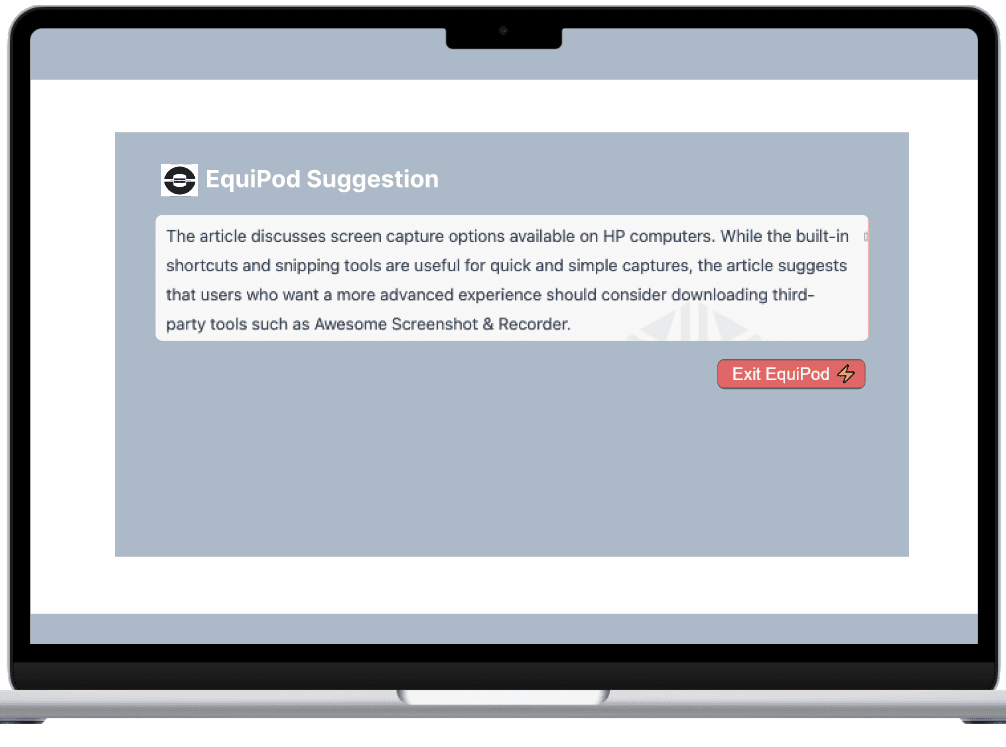
Suggestions by Gen AI chatbot.
USER SCENARIOS

Organizer
Can initiate “Equipod”
take notes, access to summary, access to suggestion bot

Attendees
Can join the pod
Can take notes, gain access to summary,
access to suggestion bot
Phase 2 - FUNCTIONALITY
APPLICATIONS OF GEN AI
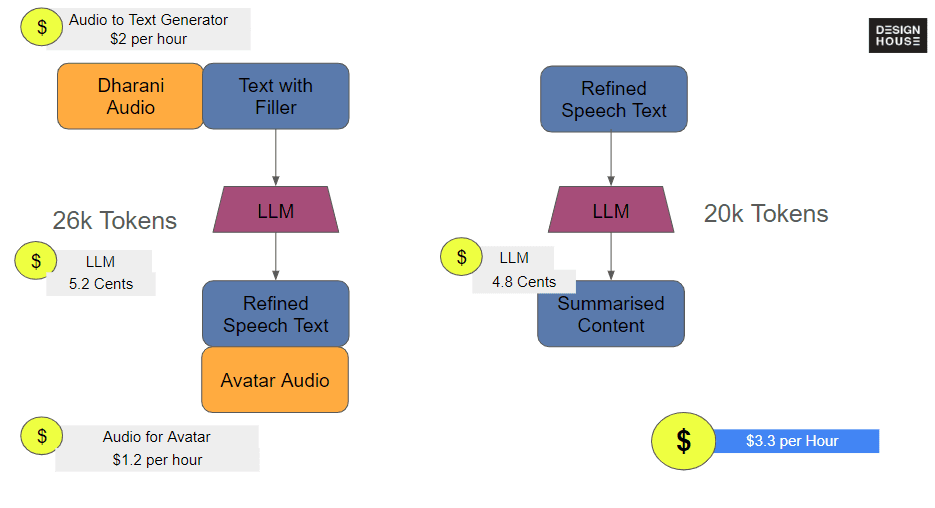
I have referred to various LLM models that can fine tune the process; such as audio to text generator/ Assembly AI, Azure speech service, Bloom, chat bots.

DESIGN CONSIDERATIONS
Inclusive Interface
User interface to be intuitive and accessible to individuals with diverse backgrounds and abilities.
User-Centric Design
Prioritizing a user-centric approach by understanding the needs and preferences of all potential users and to implement user personas that reflect the diversity of your user base to guide design decisions.
Algorithmic Fairness
Attention to the algorithms used to prevent unintentional biases
Transparency and Explanation
To Clearly communicate the role of AI in decision-making to users and provide explanations for the system's choices to build user trust and understanding.
LOW FIDELITY MODEL
I Have come up with a minimalist logo considering the equality in a conversation


LEARNINGS
The dynamic landscape of AI introduces tools that significantly support and elevate the design process.
The project reinforced the importance of building an AI feature that can adapt to evolving user needs and organizational structures.
The project emphasized the importance of comprehending user behaviors, preferences, and concerns in the meeting room context.
Reach out. Let's ideate.
dharani232k@gmail.com